
Are you aligned with how shoppers search?
Your visitors search in different stages of the customer journey – when they know what they are looking for, when they are not sure and need guidance, or they want to solve a problem, but don’t know how.
1. Exact search terms, e.g. model # in electronics, or complex searches such as ‘red midi dress in size 12 sleeveless’.
2. Search with abbreviations e.g. 16”/ 16 in/ 16 inches OR oz/ ounce.
3. Search with spelling errors, or spelling variations? E.g. hair drier instead of hair dryer, or a typo such as Avacado.
4. Alternative words, such as flip flops instead of house slippers or thongs (yes, you – from Australia), or dress shirt instead of a formal shirt, bed sheet or bed linen.
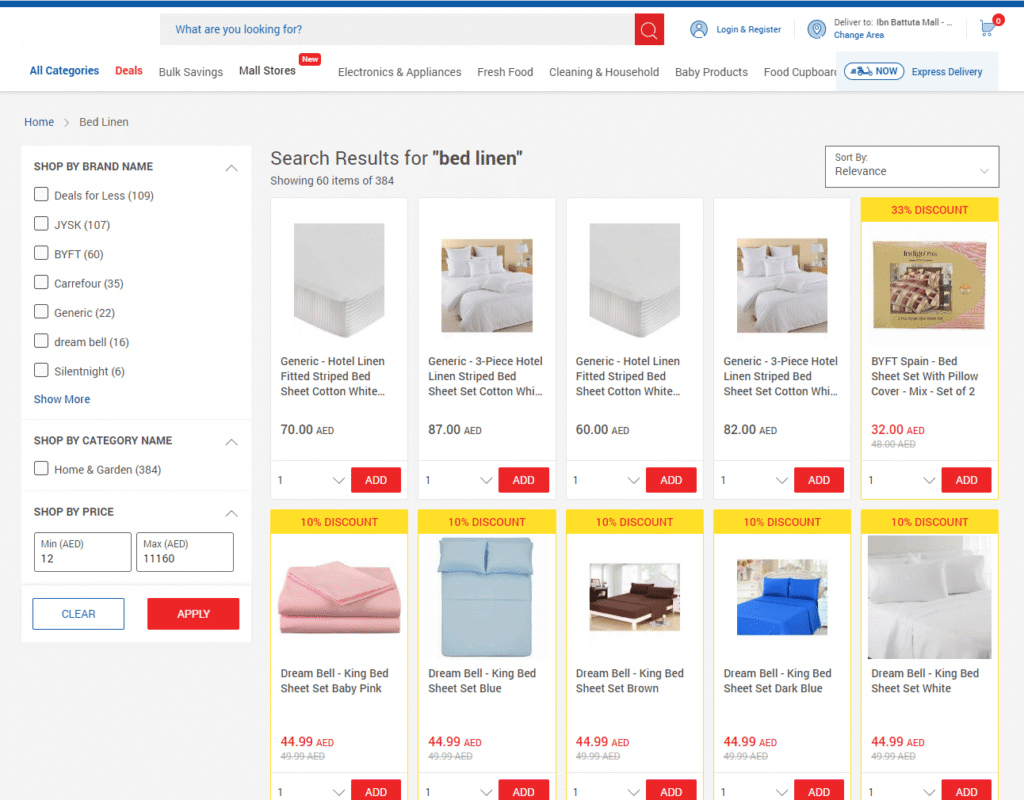
5. Use plural word forms (tomato/ tomatoes), or use slang, shades instead of sunglasses.
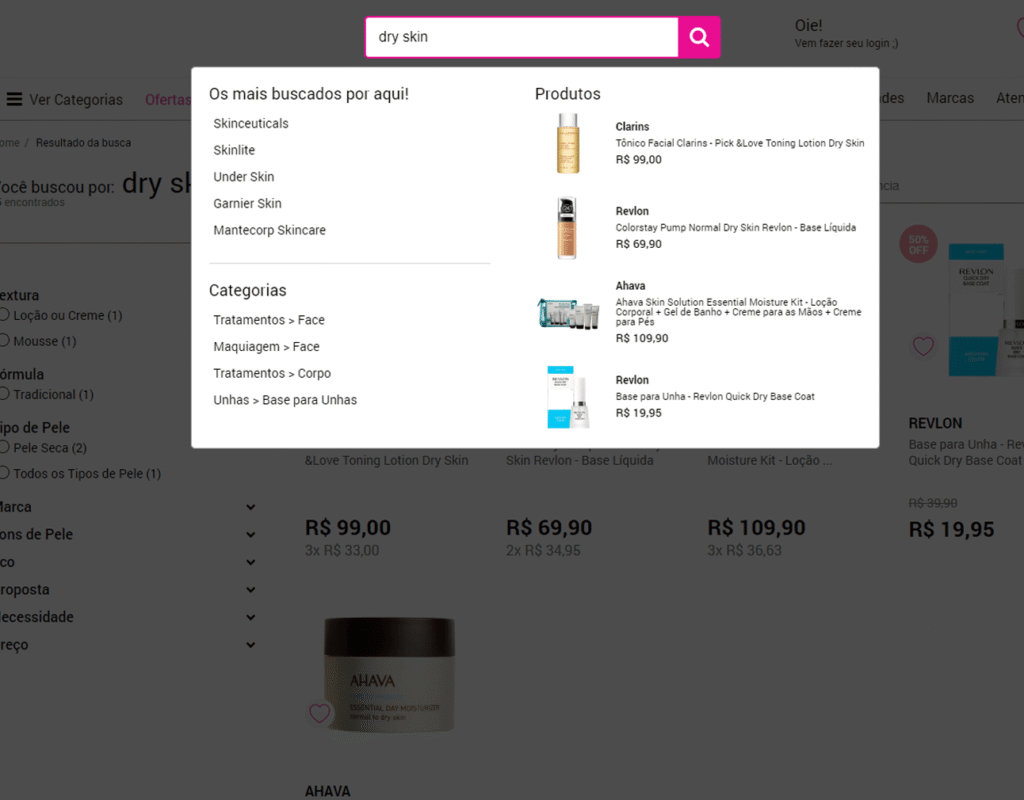
6. Problem based search terms, e.g. ‘dry skin’ instead of ‘moisturizer, or ‘turmeric marks’ instead of ‘stain remover’ or ‘headache’ instead of ‘pills’.
Can you catch important intent signals?
There is a wealth of insights in shopper searches, that can be used for showing relevant results for the individual, and for improving overall results, and reducing zero hits.
7. Some terms are more critical than others – can you recognize a 11” sleeve (11” is important), or organic kale (organic is key).
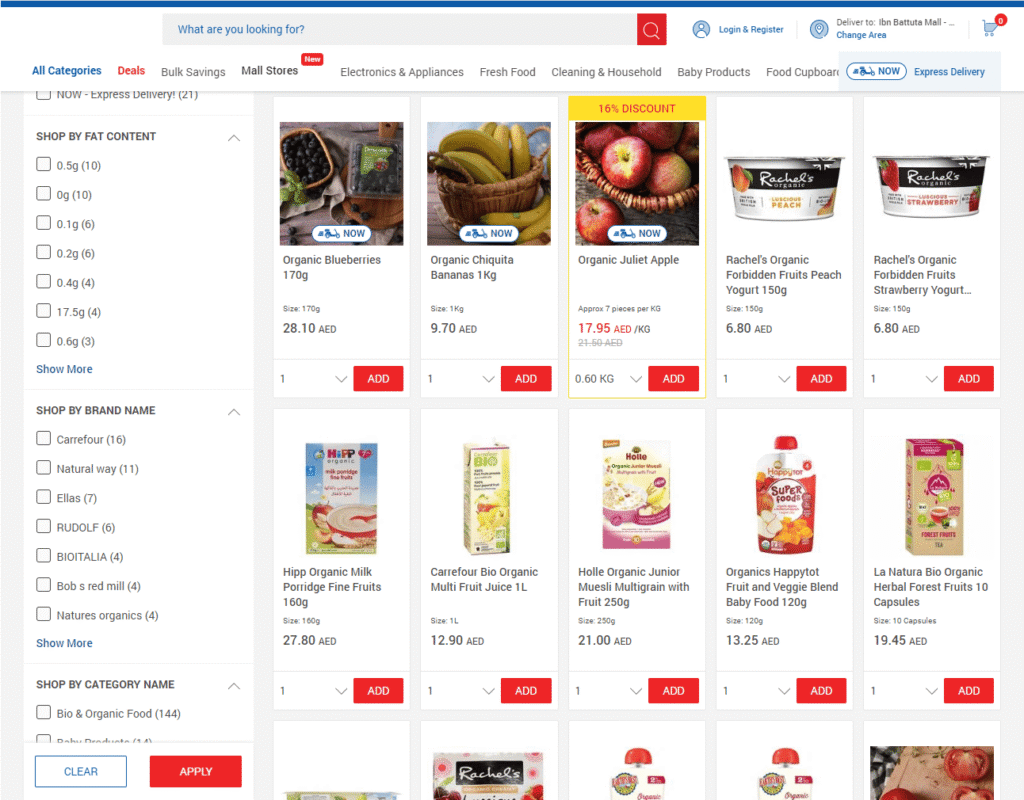
8. Your shoppers’ collective searches can help you form associations between search terms and products/ categories, without changing product data. Self-learning algorithms can improve results without having to create rules, or working on data attributes.
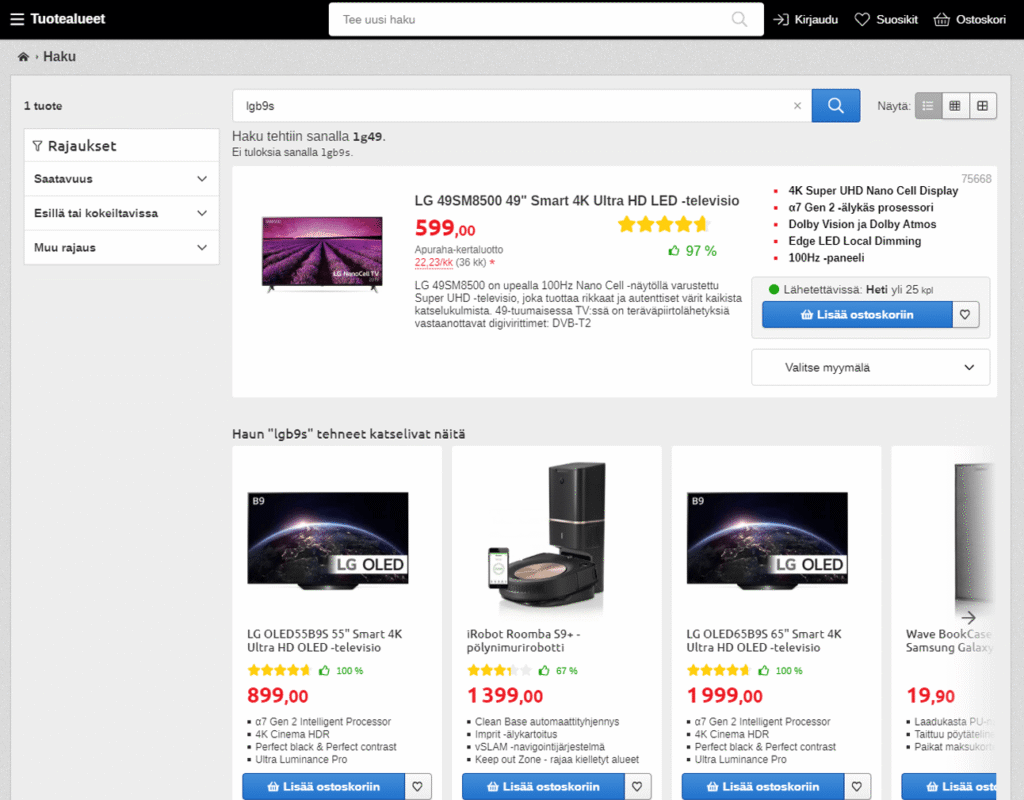
9. This drives your differentiation – A shopper’s affinity for brands, products, categories or custom attributes such as concern type, color, price become known from their current session as well as history. If you can personalize their search experience using their profile (even if they are anonymous), you will be rewarded with higher engagement, conversions and loyalty.
Are you helping them explore your catalog?
Shoppers are often multi-tasking – they could be distracted or just need assistance with creating a shortlist. This is where search nuances come in.
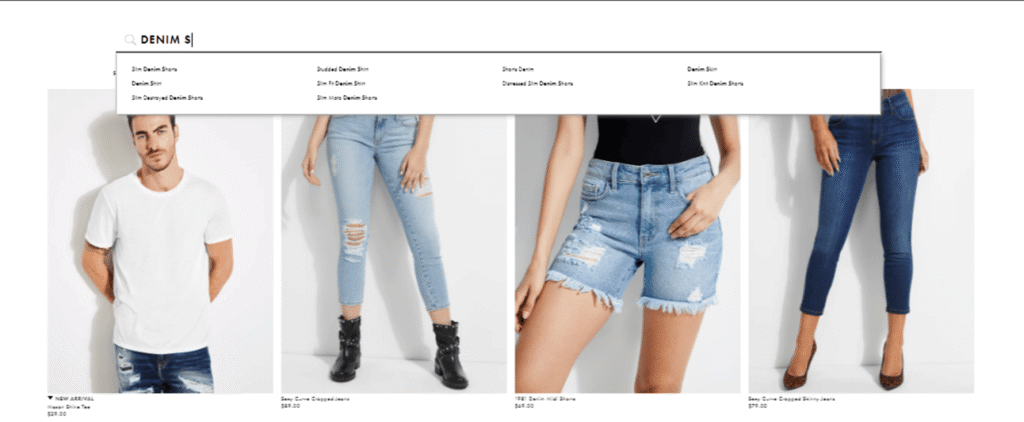
10. As shoppers type, they may need inspiration. With predictive auto-complete similar to what Google has trained the world on, you can make sure they don’t feel lost.
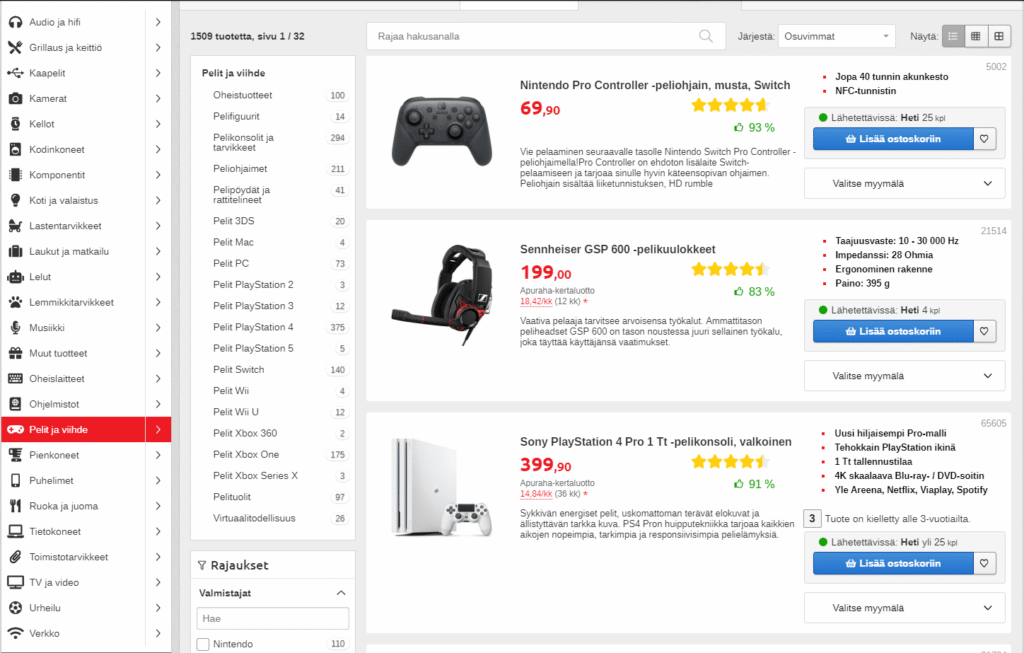
11. When products need multiple dimensions for selection, contextual facets and filters can help them narrow down their choices.
12. More than 50% traffic is now from mobile, and the limited screen real estate necessitates personalization. Finding the right result on the first page, what RichRelevance calls Findability, is negatively affected, since the user has to scroll more, use filters, and their journey is longer.
The personalized search box promises simplicity to the user, but is a powerful and sophisticated tool that can help marketers and merchandisers boost conversions, while retaining business controls and commitments around private labels, over-stock situations and trade promotions.